Shanghai Valley Lily BioTech Co. Ltd.

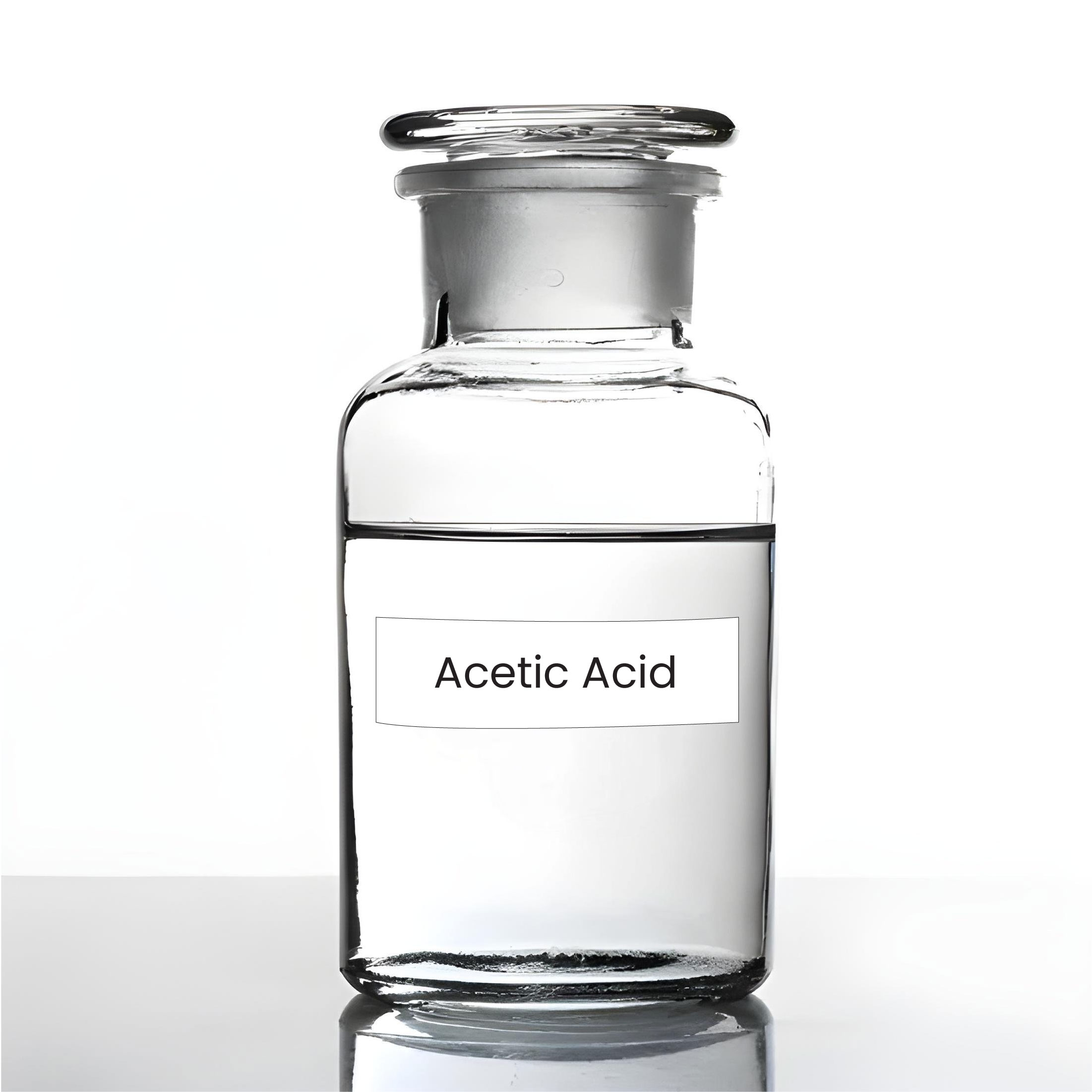
Acetic Acid
¥1.00
In Stock
Acetic Acid – Premium Grade (99.5% min)
Our premium-grade Acetic Acid (CH₃COOH) is a clear, colorless liquid with a characteristic strong vinegar-like odor, boasting a minimum purity of 99.5%. With a CAS No. of 64-19-7 and EINECS No. of 200-580-7, this versatile product is available in Feed Grade, Food Grade, and Industrial Grade.
Perfect for a wide range of applications, it serves as an effective feed acidifier in animal nutrition, a reliable food preservative, a crucial pH regulator, and a popular flavoring agent. In industrial processes, it’s a fundamental chemical reagent.
Key Features:
- High Purity: (min)
- Multi-Grade: Suitable for Feed, Food, and Industrial applications
- Versatile Uses: Acidifier, preservative, pH regulator, flavoring agent, chemical reagent
- Appearance: Clear, colorless liquid
- Packaging: Available in 25kg plastic drums, 250kg drums, and 1200kg IBC tanks (customized packaging upon request)
- Shelf Life: 24 months
Store in a cool, dry, well-ventilated area away from heat sources and strong oxidizers. Keep container tightly closed.
Description
| Product Name | Acetic Acid |
|---|---|
| CAS No. | 64-19-7 |
| EINECS No. | 200-580-7 |
| Appearance | Clear, colorless liquid with a strong vinegar-like odor |
| MF (Molecular Formula) | C2H4O2 |
| Purity | 99.5% min |
| Keywords | Feed acidifier, food preservative, pH regulator, flavoring agent |
| Grade | Feed Grade / Food Grade / Industrial Grade |
| Application | Used as an acidifier in animal feed, as a preservative in food industries, and as a chemical reagent in industrial processes. |
| Shelf Life | 24 months |
| Storage | Store in a cool, dry, well-ventilated area away from heat sources and strong oxidizers. Keep container tightly closed. |
| Packaging | 25kg plastic drums, 250kg drums, or 1200kg IBC tanks. Customized packaging is available upon request. |
Testing Standards
| Testing Item | Standard |
|---|---|
| Appearance | Clear, colorless liquid |
| Assay (as CH3COOH) | ≥ 99.5% |
| Color (Pt-Co) | ≤ 10 |
| Evaporation residue | ≤ 0.01% |
| Chloride (Cl) | ≤ 0.0005% |
| Sulfate (SO42-) | ≤ 0.0005% |
| Iron (Fe) | ≤ 0.0002% |
| Heavy Metals (Pb) | ≤ 0.0002% |
Acetic Acid Overview
Acetic Acid is a clear, colorless liquid renowned for its vinegar-like odor. With a CAS No. of 64-19-7 and EINECS No. 200-580-7, it plays a significant role in various applications, such as acting as a feed acidifier, food preservative, pH regulator, and flavoring agent. Its molecular formula is C2H4O2, and it maintains high purity, with a minimum of 99.5% purity in its composition.
Grades and Applications
Depending on the intended application, Acetic Acid is available in different grades: Feed Grade, Food Grade, and Industrial Grade. It serves as an animal feed acidifier in the agricultural sector, preserves food in the food industry, and acts as a chemical reagent in various industrial processes. Its versatility extends to being a key component for food preservation, ensuring freshness and extending shelf life.
Storage and Packaging of Acetic Acid
Proper acetic acid storage is essential to maintain its quality and effectiveness. It should be stored in a cool, dry, well-ventilated area, away from heat sources and strong oxidizers. The acetic acid packaging options include 25kg plastic drums, 250kg drums, or 1200kg IBC tanks. Customized packaging solutions are available upon request, ensuring that the high-purity acetic acid remains uncontaminated and effective.
Testing Standards
Maintaining quality in acetic acid is ensured through strict acetic acid testing standards. The appearance should be a clear, colorless liquid, with an assay (as CH3COOH) of ≥ 99.5%. Standards also require a color (Pt-Co) of ≤ 10, evaporation residue ≤ 0.01%, and very low levels of chloride (Cl) ≤ 0.0005%, sulfate (SO42-) ≤ 0.0005%, iron (Fe) ≤ 0.0002%, and heavy metals (Pb) ≤ 0.0002%.
Related Chemical Compounds
Similar compounds and derivatives often employed in various applications include sodium acetate Sodium Acetate, calcium acetate Calcium Acetate, and sodium benzoate Sodium Benzoate. These compounds also serve various roles within the sectors that utilize acetic acid.
For more information on related products that aid in preservation and acidity regulation, consider exploring Sorbic Acid, Propionic Acid, and their respective uses in different industries.
Conclusion
Acetic Acid is a multifaceted chemical essential across many sectors, from food preservation to industrial applications. Understanding its properties, grades, and testing standards ensures optimal use and safety. Its role as a feed acidifier, flavoring agent, and preservative underscores its importance in maintaining the quality and longevity of products.
Reviews
There are no reviews yet.
Related products
- Add to WishlistAdd to Wishlist
- Add to WishlistAdd to Wishlist
- Add to WishlistAdd to Wishlist
- Add to WishlistAdd to Wishlist